
A Neighbor Hour is a small and simple gathering where you and your neighbors can bond over snacks, drinks, and conversation. It’s not a formal BBQ or dinner party that would require RSVPs or elaborate menus; it’s a casual, drop-in-if-you-can kind of event that needs only minimal prep. You can provide the food and drinks yourself, but a lot of people will kindly ask their neighbors to bring a small snack or a drink to share, as well as their own lawn chair.
It’s an easy, low-commitment way to create a little Moregetherness, the connections you make by sharing homemade food with the people around you, and help a neighborhood feel a little more like home.
And because Neighbor Hours are intentionally simple and low-pressure, they’re perfect for easy snacks and casual shareable recipes.
Whether you’re stirring up a batch of brownies from one of our baking mixes, making cookies from scratch with one of our dependable flours, or throwing together some snacks using one of our tried-and-true recipes, the goal is to make people feel at home without turning the night into a major hosting production.
To make pulling off a Neighbor Hour even simpler than it already is, here are several tips for how to plan a party, along with a few ideas for themes and snacks.
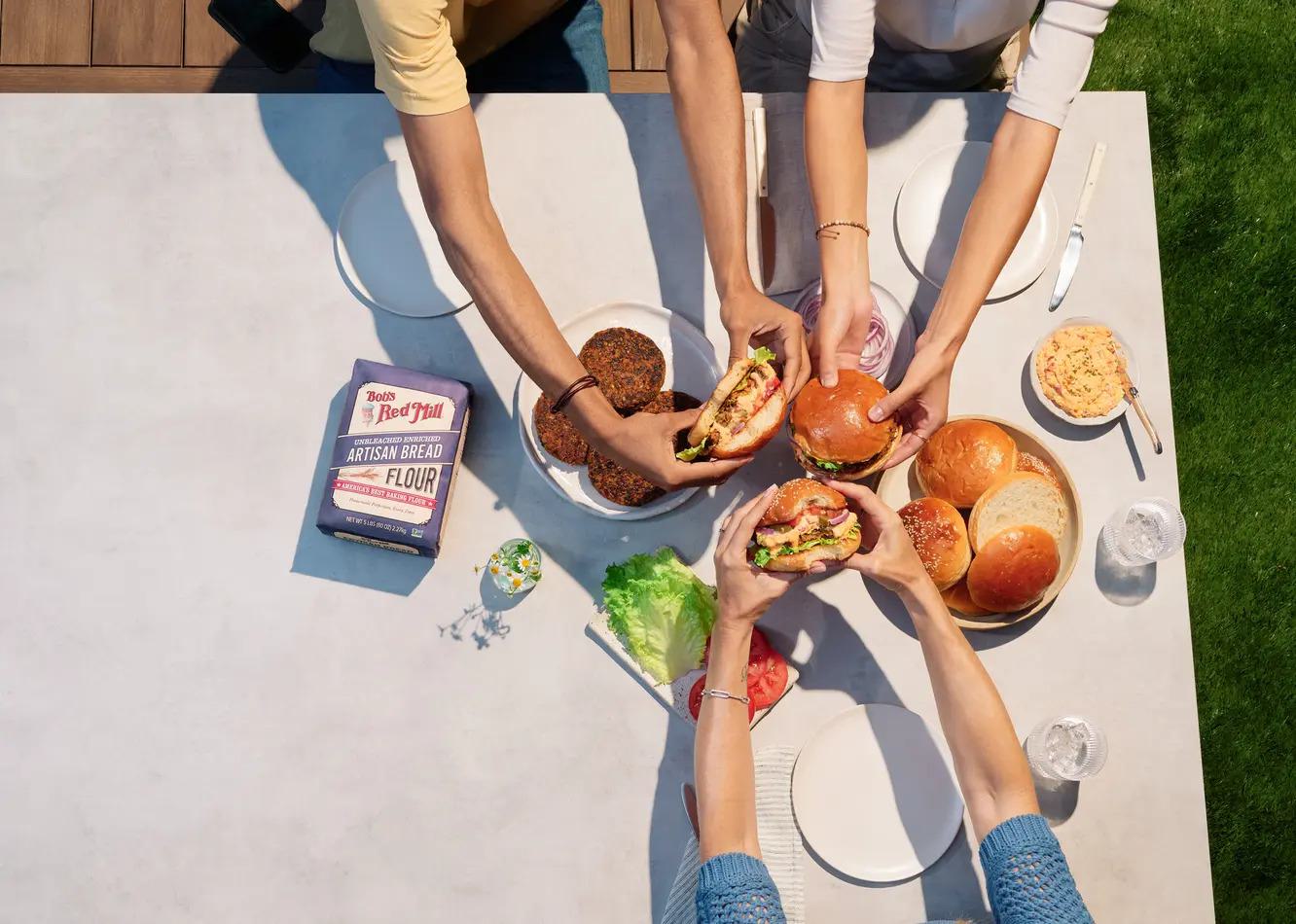
Neighbor Hours work best when you’re catching people as they unwind after work or around their weekend plans.
So, some good times to host it include:
It’s best to keep it around one to two hours—three at most. Long enough for people to mingle and settle into conversation, but low-key enough that guests can comfortably drop in and head home whenever they’d like.
Neighbor Hours are intentionally on the smaller side, so don’t feel like you have to invite the entire zip code.
Start with something manageable. Maybe it’s your immediate block or just the 10 closest doors. Even just four to eight households are plenty.
Here are a few easy places to start:
Think of it as an opportunity to bridge the gap between familiar faces and actual friendships, and to help make your neighborhood feel a little more connected in the process.
Neighbor Hours usually come together fairly quickly, so there’s no need for formal invitations or complicated planning. Let everyone know with a simple message via text, the neighborhood Facebook group, a community app like Nextdoor, or a paper flyer tucked into their front doors.
It can be something as easy as: “Hi! It’s your neighbors at [address]. We’re getting together on our patio on Friday around 6. Swing by if you can! Feel free to bring a drink, a snack, and a lawn chair if you have one (no obligations).”
While digital invites are especially convenient, it’s good to make sure neighbors who aren’t active online still hear about it too. A quick knock on each door can go a long way toward making everyone feel included.
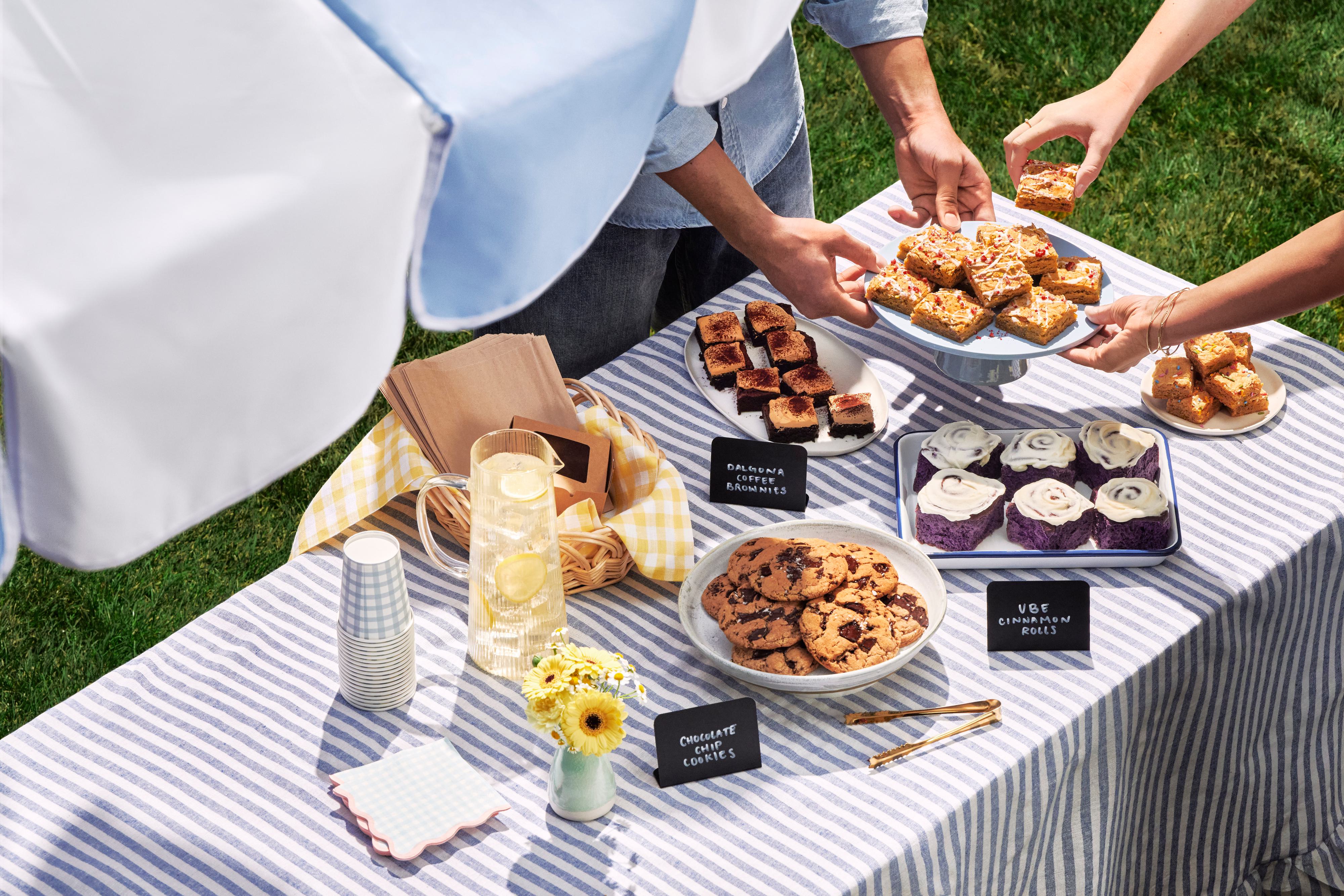
Neighbor Hours are meant to feel relaxed from the second people arrive; no one’s expecting a spotless kitchen or floral arrangements on the tables. The more casual it feels, the more likely people will stay and feel included.
Here are a few easy ways to set the mood:
The goal isn’t to impress people; it’s to make it easy for them to show up exactly as they are and feel like they belong.
There’s no “best” place to host a Neighbor Hour because it can happen just about anywhere. If the weather is nice, outdoor entertaining naturally feels more drop-in–friendly and takes away the pressure to deep-clean the entire house beforehand. There’s also no shortage of outdoor party ideas—just make sure to have a garage, porch, or kitchen plan in case the weather changes.
Indoors works just as well during colder months, but there’s also something especially cozy about gathering around a bonfire with hoodies, blankets, and steaming cups of cocoa.
The key is to create a relaxed space where people can comfortably gather and easily duck out without feeling awkward. Think:
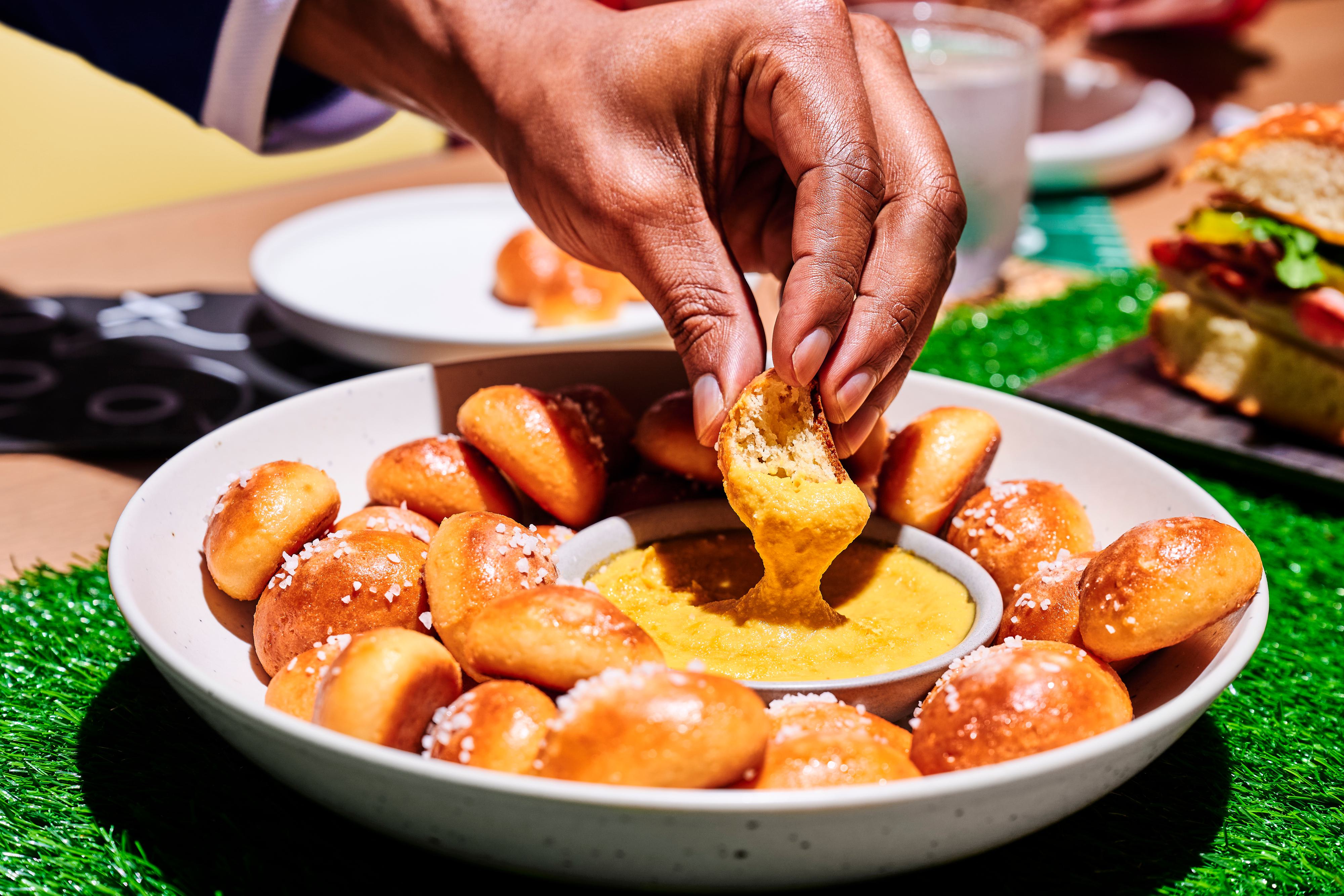
Neighbor Hour is more about snacking than feeding everyone dinner. And often, they’re planned as a BYO-everything.
But if you do plan to provide the food and drink, keep it low-maintenance:
If you need inspiration, check out recipe collections like Spring Gatherings, Little Free Bakery, and Summer Salads for easy recipes that fit perfectly into any laid-back Neighbor Hour.
A theme gives any event an instant starting point for the food, drinks, and overall vibe so that you’re not working from a completely blank slate. From there, all the little decisions tend to become easier: what to ask guests to bring, what kind of playlist fits the mood, whether to serve lemonade or margaritas, and even what color font to use on the invitations.
Themes also help guests know what to expect, making it easier to accept the invitation and know how to contribute. After all, “bring a citrusy dessert” is easier than “bring something.”
Just don’t overthink it; the best themes are often the simplest. Start with a food, flavor, season, color, drink, or general idea, and build from there.
A few easy theme ideas we love:

A bright, zesty theme that practically plans itself. Keep the menu light, fresh, and easy to graze on, with fresh citrus flavors worked into drinks, snacks, salads, and simple desserts. Ask everyone to bring something simple and citrusy, like lemon bars, lime chips, or even just a bag of mandarin oranges.
Citrusy sips and snacks:
If you want to set out some simple decorations, you can throw together a couple of bowls of lemons, limes, or oranges, and you can just throw them back in the fridge at the end of the party.
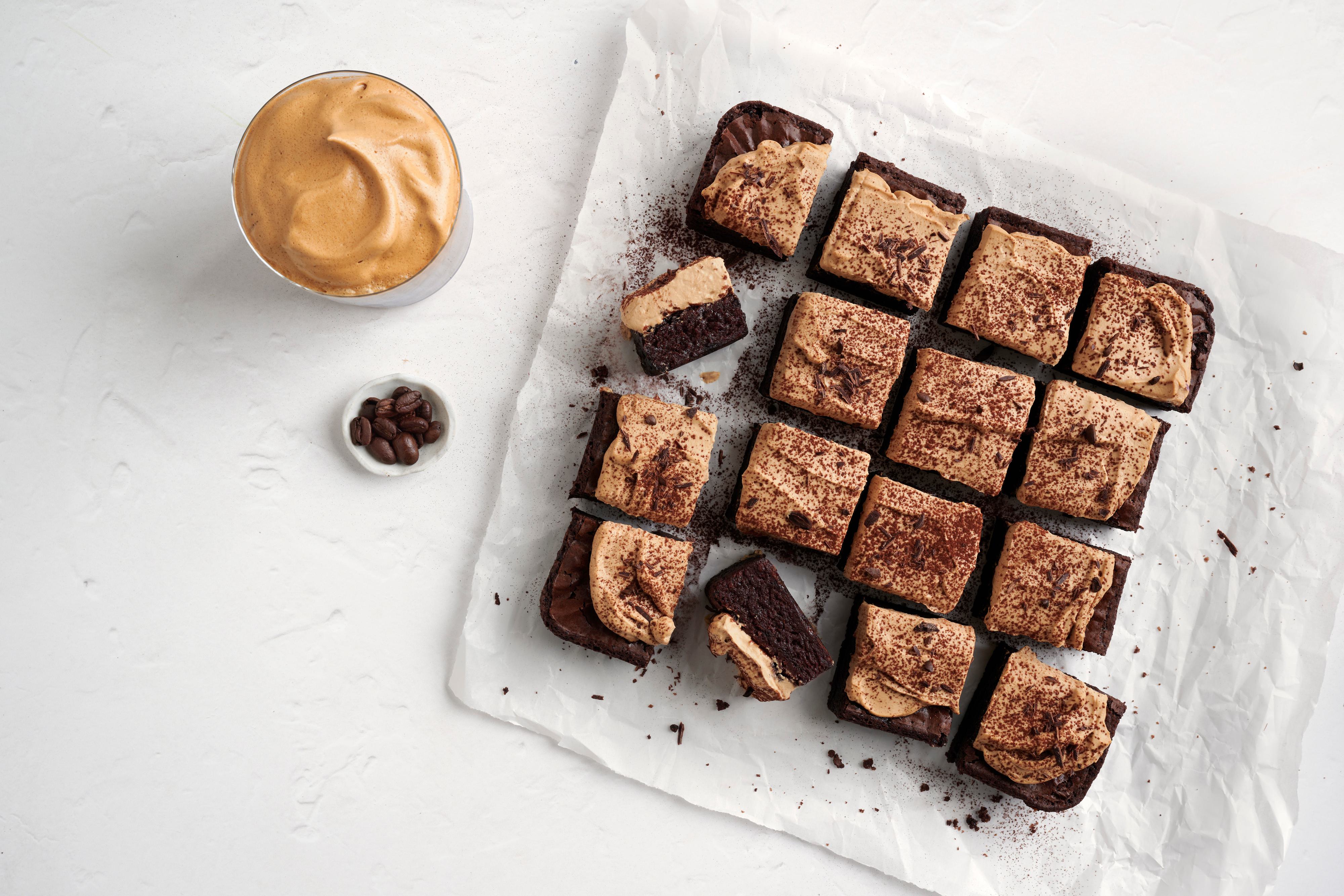
A low-effort, extra-cozy dessert night built around brownies, blondies, and cookie bars of every kind. Keep it simple with Brown Sugar Blondie Baking Mix or Fudgy Brownie Mix dressed up with fun mix-ins and toppings, or turn it into a friendly bake-off where neighbors bring their own creations and everyone votes for a favorite.
Brownie beverages and bites:
To make it feel even more special without much extra work, set out a DIY brownie sundae bar with vanilla ice cream, whipped cream, caramel sauce, sprinkles, and crushed cookies.
For decorations, fill a few mason jars with foil-wrapped chocolate candies—it’s easy and practically guaranteed that they’ll be gone by the end of the night!

Go full-on BYO and ask everyone to bring one of their go-to party snacks or family-favorite recipes to share. That’s it; no further instructions needed. Even if two people bring spinach artichoke dip, everyone wins. And if three people do, it’s the running joke of the night.
You just provide the space, a stack of plates, napkins, and maybe a few drinks. A potluck theme serves double-duty as a way to get to know your neighbors through the foods they love to make and share, while also feeding a crowd.
Shareable snacks and sweets:
Conversation flows naturally because everyone arrives with something to talk about. Set out note cards so guests can label their dishes and jot down recipes to swap before the night is over.

A fiesta-themed Neighbor Hour is just plain fun and a great alternative to your standard hot dogs and chips.
Set up a simple build-your-own nacho or taco bar with chips, taco shells, seasoned meat, and all the toppings. This interactive setup naturally keeps people gathered around the table, which makes this one feel relaxed and easy from the start.
You could also keep things casual with an easy mix of savory bites, crunchy snacks, and sweet desserts inspired by classic fiesta flavors.
Fun fiesta foods and drinks:
For decorations, keep it casual with bright napkins and a few simple wildflowers popped into empty Topo Chico bottles. Even dandelions work! Send the kids outside on a quick mission to collect flowers or backyard weeds for the tables to get them involved in the fun too.
Hopefully, your first Neighbor Hour will kick off a tradition of Moregetherness to come. Maybe it’s Soup Nights in the Fall, Front Porch Pie Nights, or Summer Ice Cream Socials. Come up with your own fun theme ideas that work for you and your neighborhood!
In the end, it’s not all that important how you choose to bring the neighbors together. Whether it’s brownies in the driveway or chips and salsa on the patio, the real heart of Neighbor Hour is sharing in the joy of gathering and taking the time to get to know the people in your community.


