
A lot of people find the perfect recipe and put so much work into making their own pasta, only to use all-purpose flour and wonder why the result isn’t as good as what they find at a restaurant. But the secret to great homemade pasta starts with the flour. By using a specialty flour made for pasta, you can bring everyone to the table with high-quality homemade dishes
So let’s go over the two main flours you’ll want to use for homemade pasta, whether you're craving chewy noodles or silky ribbons.
Both Semolina Flour and 00 Flour make exceptional homemade pasta, but they produce noticeably different results both in the kitchen and on the plate. One creates a sturdy dough with a pleasantly chewy bite, while the other rolls effortlessly into silky sheets and tender ribbons.
Understanding those differences makes it easy to choose the right flour for your favorite recipes.
Semolina Flour is a high-protein flour made from whole-grain hard durum wheat—sometimes called pasta wheat or macaroni wheat. Ground to a fine-medium grind, it has a light golden color and subtle earthy aroma.
Its higher protein content develops into a strong gluten network, giving pasta a firm texture with a bit of chew and the structure needed for shaped pastas or extruded ones like spaghetti.
Semolina Flour can be mixed with eggs or water, depending on the style of pasta you're making. Eggs create a richer dough, while water produces the classic chewy texture found in many traditional southern Italian pastas.
00 Flour is a soft Italian wheat flour milled to a powdery-fine consistency. The double-zero name refers to the finest possible milling grade in the Italian classification system.
The dough is exceptionally smooth and supple, making it easy to knead, roll and shape into paper-thin sheets or cut into ribbons for pappardelle, fettuccine and lasagna without tearing. The combination of the soft wheat and the finely milled flour creates pasta that is velvety smooth and silky, which is why it’s especially well-suited for rich egg pasta recipes.
Both flours make exceptional homemade pasta; they simply create different experiences. Semolina Flour produces pasta with a satisfying chew and rustic character, while 00 Flour creates silky, tender noodles with a smooth texture.
However, many home pasta makers prefer to mix the two. Making pasta with a blend of Semolina Flour and 00 Flour creates a balance of silky texture with a firm chew. This can also make the pasta dough less sticky and easier to handle, especially if you’re running it through a pasta roller.
To try it yourself, go with a 50/50 mix for simple pastas like fettuccine, 70% 00 Flour and 30% Semolina Flour to create delicate-shaped and stuffed pastas without tearing, and 70% Semolina Flour and 30% 00 Flour for thick pastas that need to hold up to sauces.
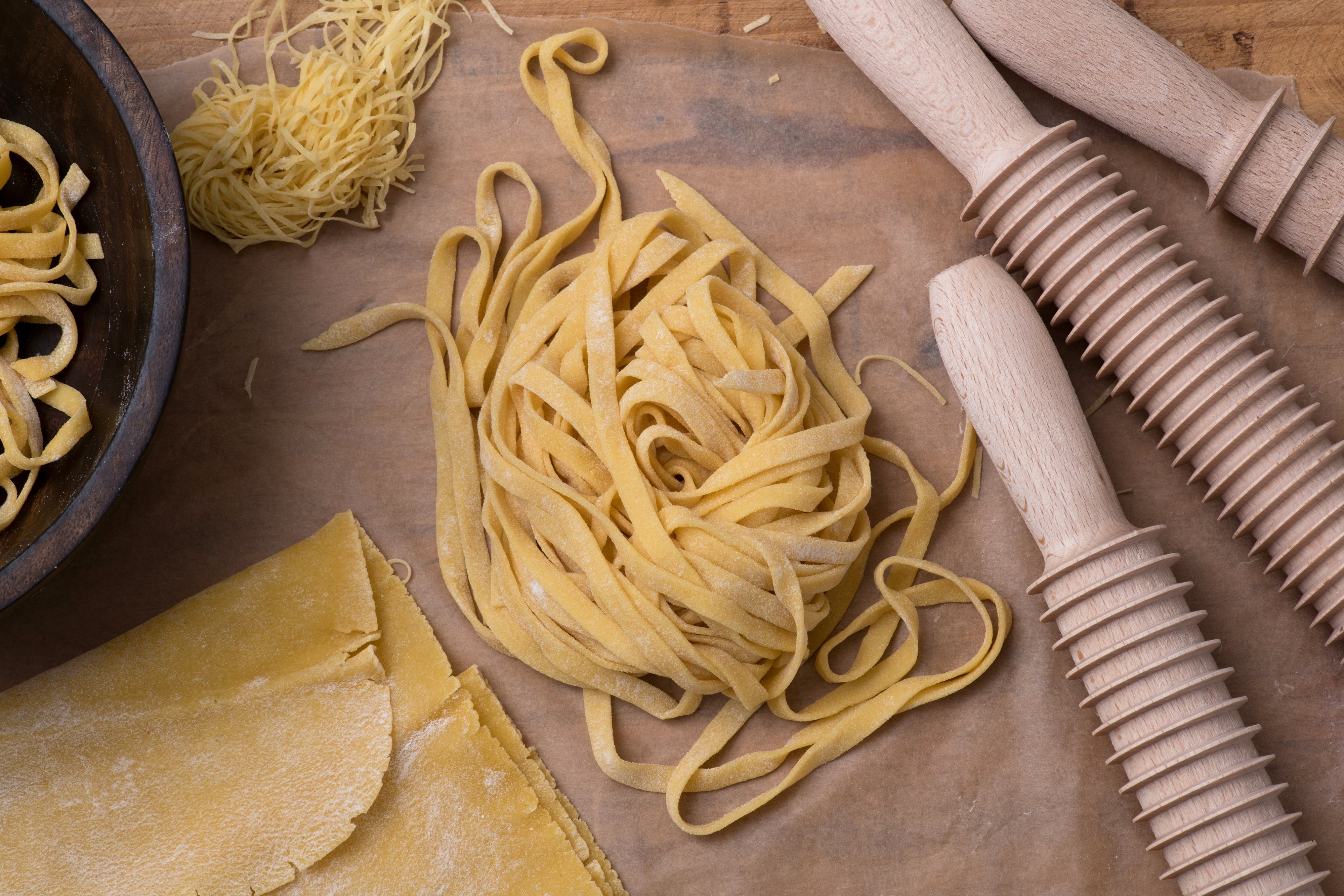
Cook fresh pasta carefully: Fresh pasta cooks much faster than dried pasta—often in just a few minutes. Start checking early and remove it once it's perfectly al dente.
Can I make pasta with all-purpose flour?
Yes. All-Purpose Flour creates a tender dough that's easy to work with, making it a great option for beginners. However, if homemade pasta becomes a regular part of your diet, Semolina Flour and 00 Flour are well worth adding to your pantry. Each creates a unique texture and gives you more control over the style of pasta you want to make.
Can I make homemade pasta without a pasta machine?
Yes. A pasta machine makes it easier to roll dough evenly, but it's not required. A rolling pin works well for many pasta recipes; just roll the dough as thinly as you can before cutting it into your desired shape.
Can I freeze homemade pasta?
Yes. Arrange shaped, uncooked pasta in a single layer on a baking sheet and freeze until firm. Transfer it to an airtight freezer-safe container or bag and store for up to three months. Cook directly from frozen, adding an extra minute or two to the cooking time if needed.
Why is my homemade pasta dough too sticky or too dry?
Pasta dough should feel smooth and slightly tacky but not sticky. If it's too dry and crumbly, knead in a teaspoon of water at a time. If it's too sticky, sprinkle in a small amount of flour until the dough is easier to handle.
Can I make homemade pasta without eggs?
Yes. While many fresh pasta recipes use eggs for richness and elasticity, you can also make eggless pasta. As a general guideline, substitute about ⅔ cup water for every two eggs in the recipe, adjusting as needed until the dough is smooth and easy to knead.
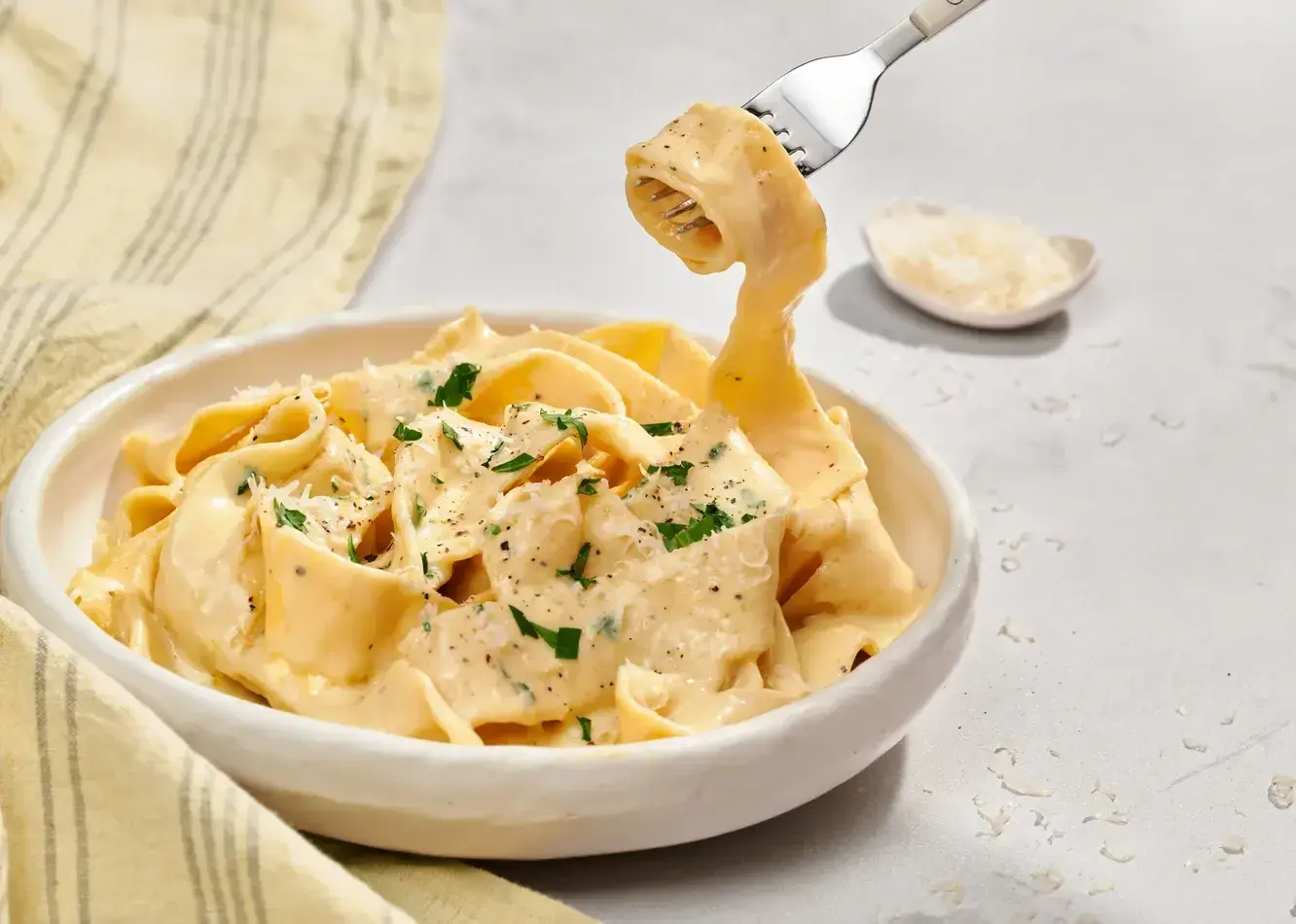
Homemade pasta is one of those simple kitchen projects that's every bit as rewarding as the finished meal. Whether you choose Semolina Flour, 00 Flour or a blend that suits your style, the right flour helps create fresh pasta your family will look forward to again and again.


