There are few better ways to start the day than with a warm and cozy bowl of porridge. It’s hearty and, satisfying and there are endless ways to add your own personal twist, whether you like simple, sweet or savory oatmeal.
But with so many types of oats available, it can be tricky to find the best kind for making the perfect bowl of porridge. They each result in different flavors, textures and cooking times, and not many people have the time or patience to try them all.
So we tested five different types of oats in a simple bowl of oatmeal to help you find your favorite oats for porridge.
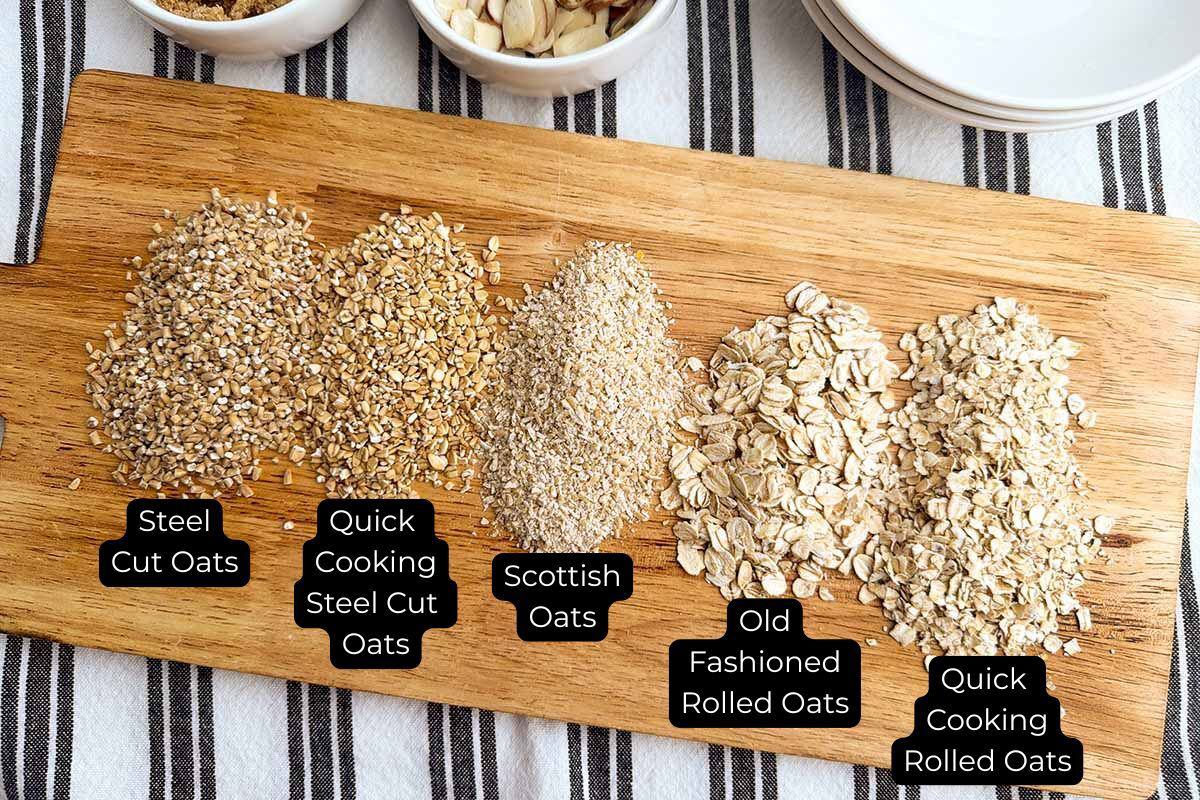
We put five types of Bob’s Red Mill oats to the test, comparing everything from cook time to creaminess. The biggest difference between them is how the oat groat is processed: Steel cut oats are chopped into pieces, while Scottish oats are stone ground and rolled oats are steamed and flattened into flakes. The less the oat is processed, the longer it generally takes to cook and the chewier the finished porridge will be.
Here's what you can expect:
We prepared each variety according to the package directions, using the recommended ratio of oats to water, stovetop cooking method, and resting time. Once cooked, we topped each bowl with a splash of almond milk, brown sugar, sliced almonds and dried fruit, then tasted them side by side while they were still warm.
As we compared them, we paid attention to texture, flavor, creaminess, chewiness and overall eating experience, as well as how practical each one would be for busy weekday mornings compared to slower weekend breakfasts.
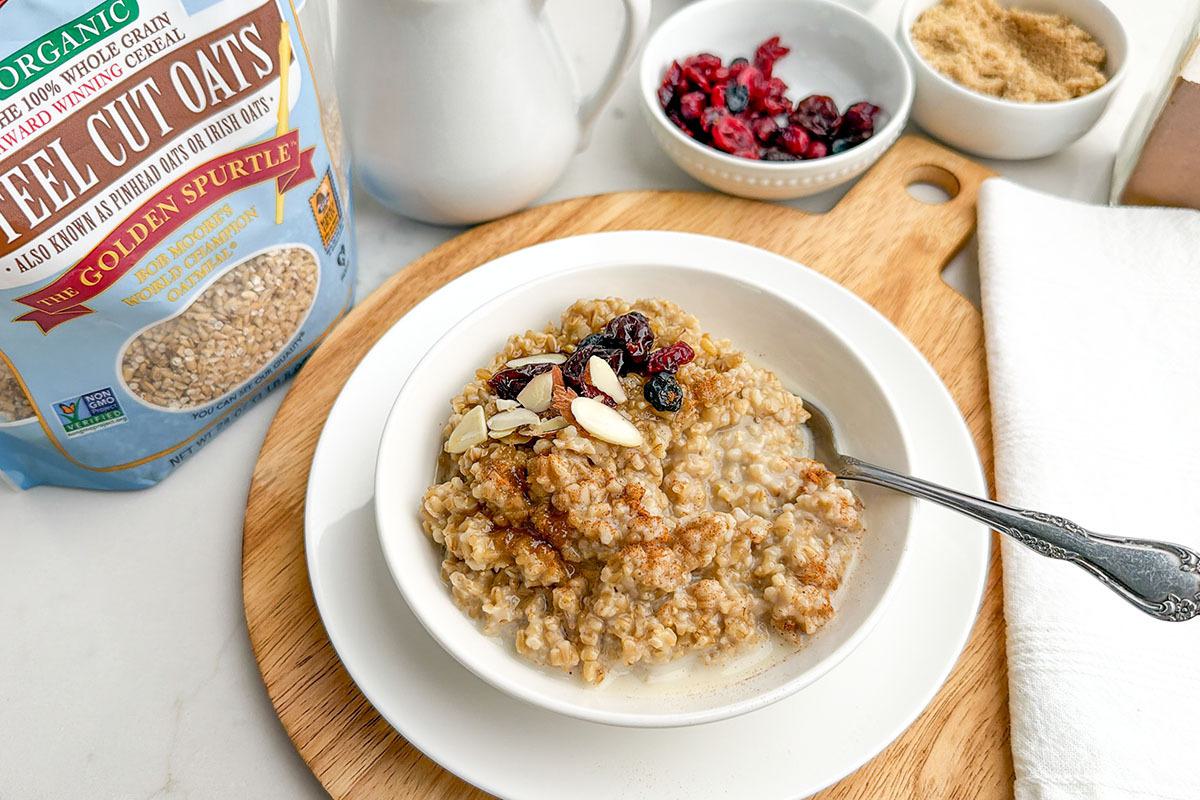
Organic Steel Cut Oats, also known as pinhead oats or Irish oats, are a favorite for traditional porridge lovers. The oats hold their shape during cooking, softening to a substantial yet creamy texture and the flavor is more toasty and oaty than any of the others.
If you're someone who likes their oatmeal al dente, this is the oat to reach for. It takes the longest to cook, but the reward is a bowl with plenty of texture that feels substantial and filling. We especially enjoyed the way the brown sugar complemented its naturally nutty flavor.
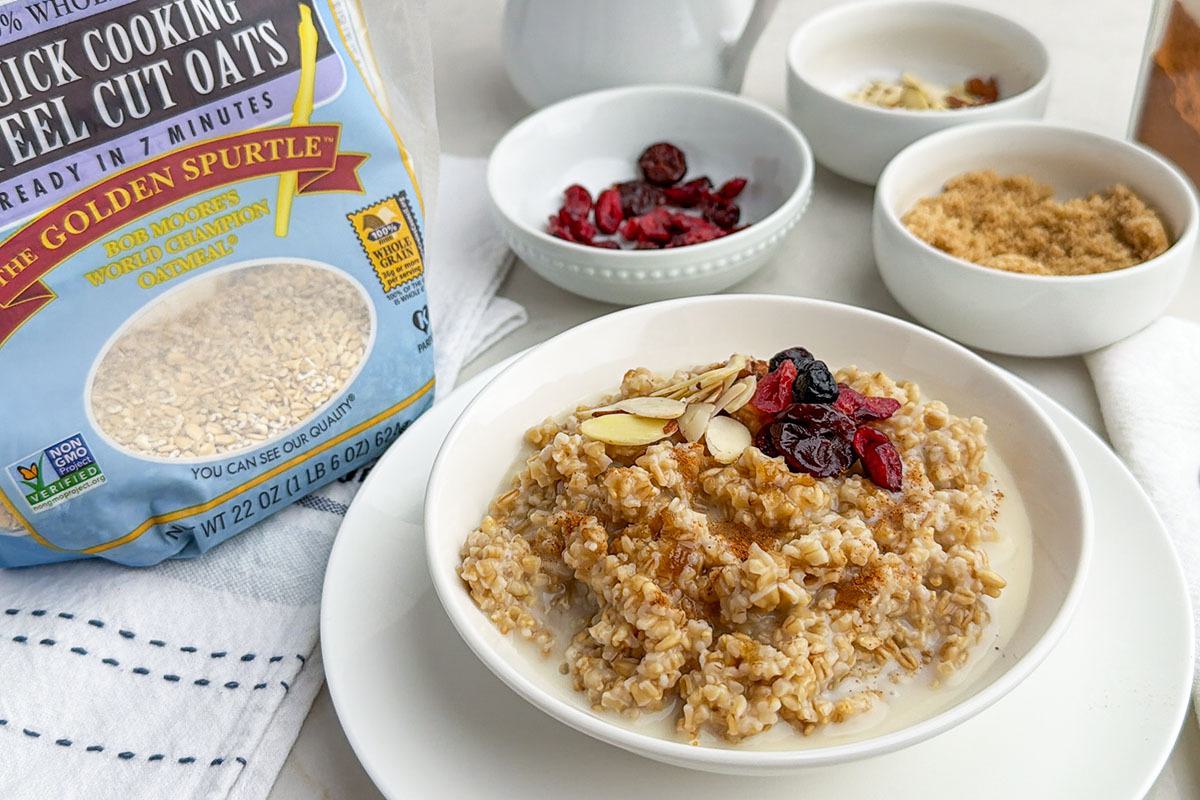
Quick Cooking Steel Cut Oats are ideal for anyone who appreciates the chewiness of traditional steel cut oats but is short on time. They're a bit softer and creamier than regular steel cut oats, while still delivering the satisfying chew and classic nutty flavor that steel cut oat lovers expect.
They strike a nice balance between convenience and texture, making them an easy choice for busy weekday mornings.
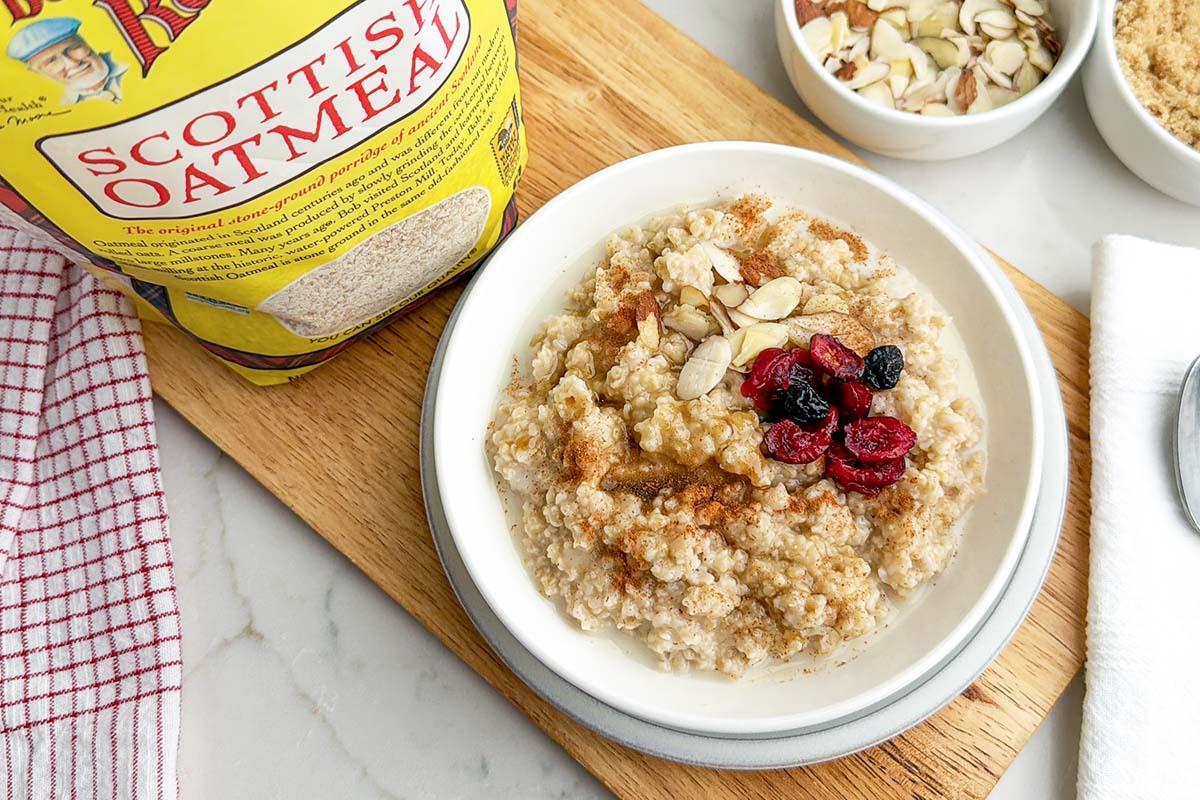
Scottish Oatmeal is the perfect middle ground between steel cut oats and rolled oats. Because the oats are stone ground into a fine meal (instead of sliced into pieces or rolled into flakes), they become soft and creamy during cooking while still maintaining some rustic texture.
The result is smoother than steel cut oats but not quite as silky as quick oats, giving it a comforting texture that strikes a really nice balance.
Fun fact: Scottish oatmeal has been stirred with a spurtle (a slim, wooden stirring stick) since the 15th century. According to folklore, you should stir your porridge clockwise with your right hand to keep evil spirits away. It’s certainly worth a shot!
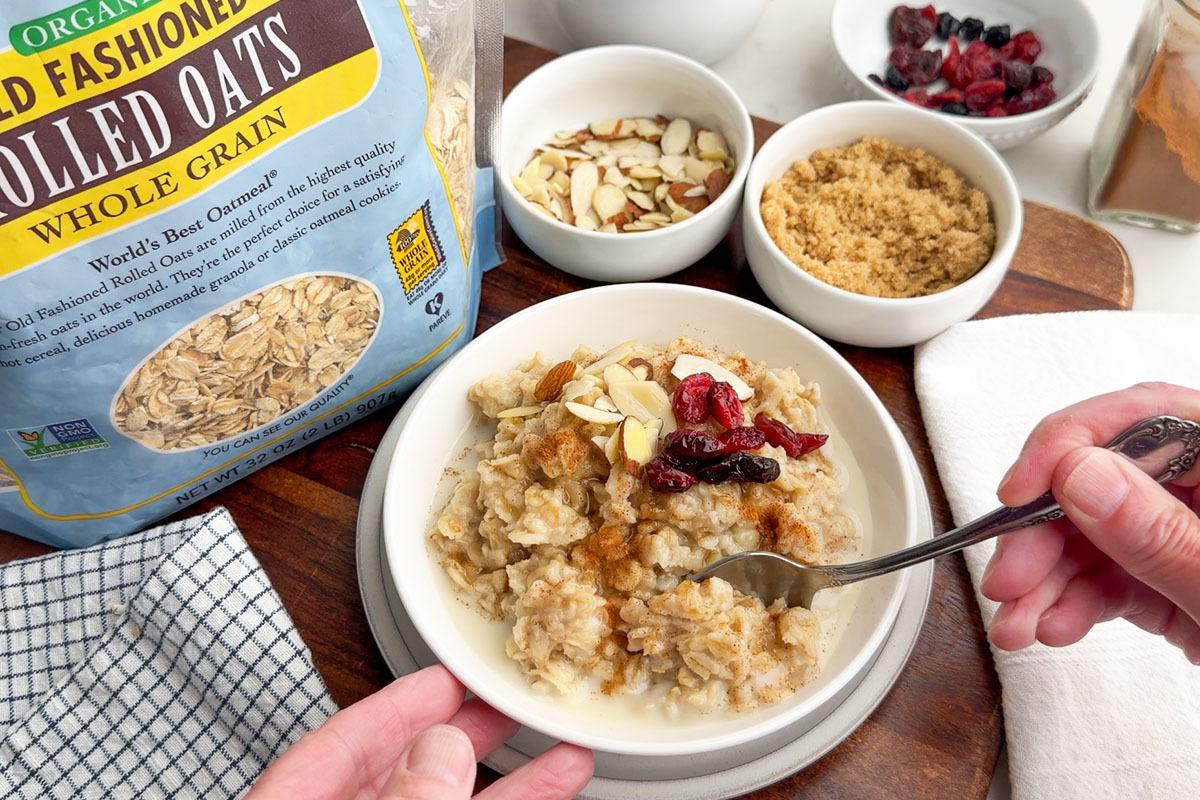
Organic Old Fashioned Rolled Oats are the ones that many classic oatmeal lovers reach for when they want a cozy bowl of comfort. The rolled flakes soften to a creamy texture when cooked, but hold their shape well enough to offer a tender bite.
For many people, this is what oatmeal is supposed to taste and feel like. It's familiar, dependable and versatile enough to pair with just about any topping. If you're buying just one type of oats to keep in the pantry, these are a great all-purpose choice.
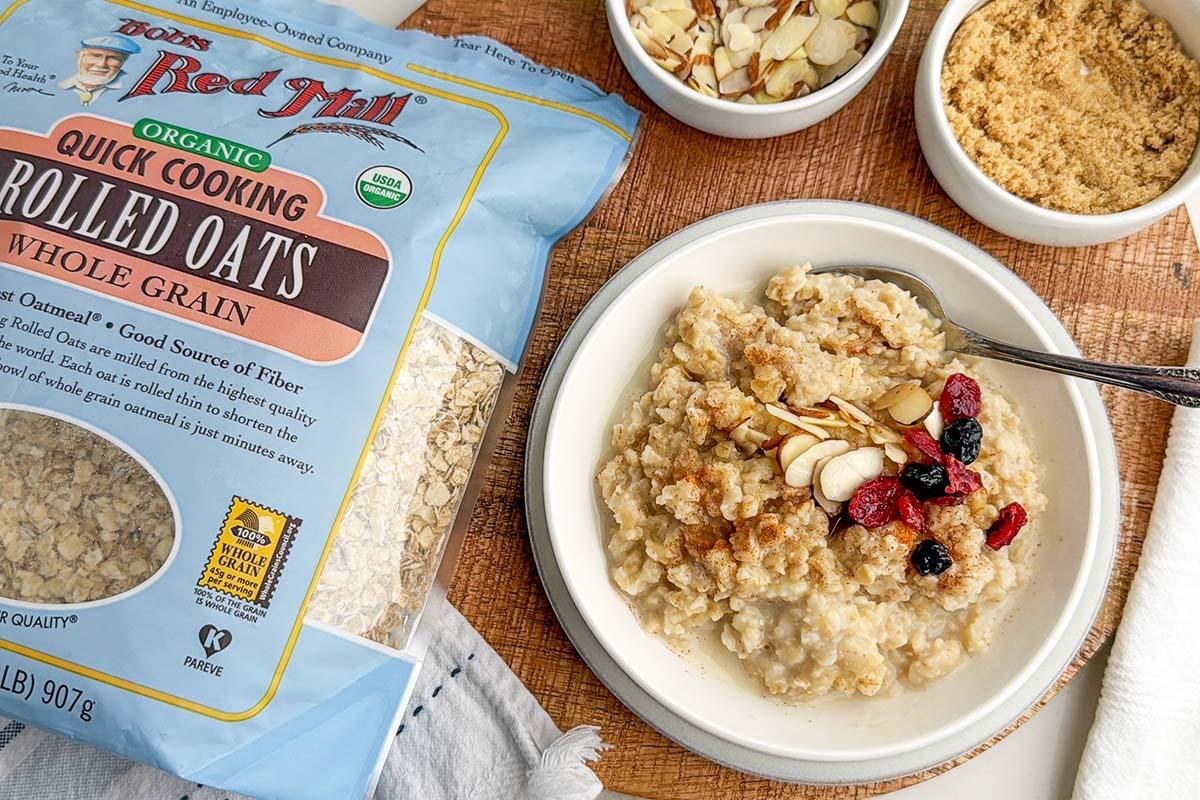
Organic Quick Cooking Rolled Oats are fast and convenient; since they’re rolled extra thin, they cook in just minutes. These oats are the creamiest of the bunch and are perfect for anyone who prefers their oatmeal with a smoother texture.
They may not be the choice for die-hard steel cut oat fans, but if your idea of the perfect bowl of porridge is soft, creamy and ready in minutes, these oats are hard to beat.
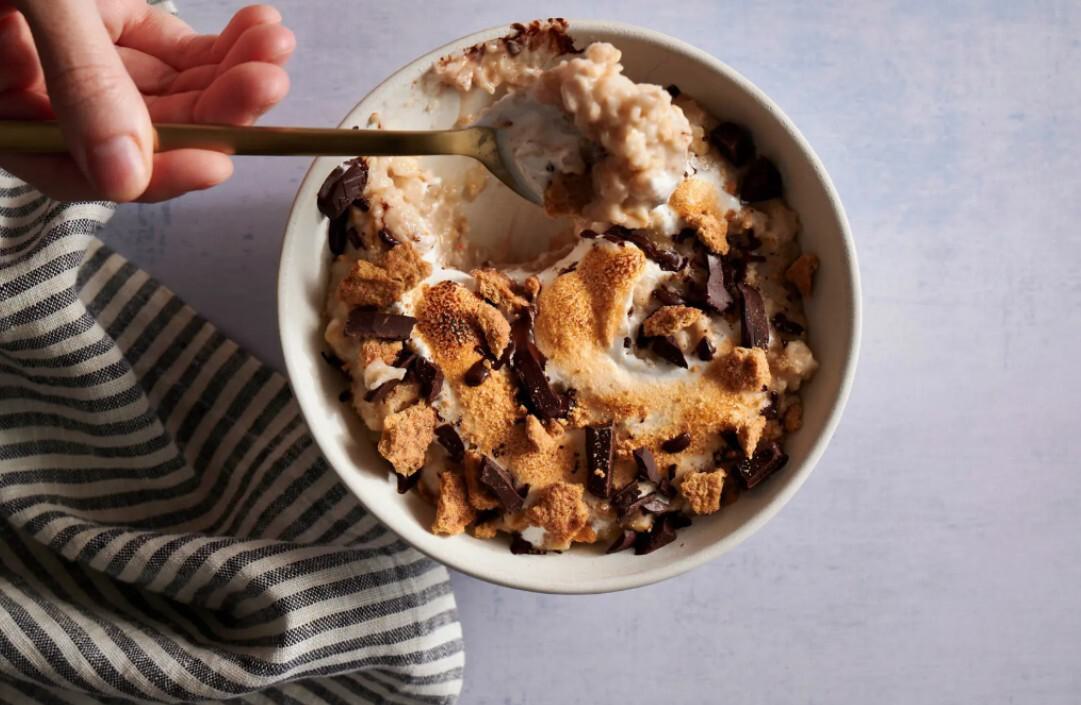
If all this talk about oatmeal has you craving a warm and cozy bowl, give one of these a try!
Thankfully, whether you like your oats smooth and creamy or hearty and chewy and whether you need breakfast in a jiffy or relish the longer, leisurely simmer time, there’s an oat for that.
If you've only ever reached for one type of oats, consider branching out. You may discover a new favorite that's better suited to your mornings, your favorite toppings or the kind of bowl of oatmeal you crave. After all, there's no wrong way to enjoy a warm, cozy bowl of porridge.
Which oats make the creamiest porridge?
For the creamiest bowl, Organic Quick Cooking Rolled Oats are the clear winner. Because they're rolled thinner than old fashioned oats, they soften quickly and create a smooth, velvety texture. If you prefer creamy oatmeal with a little more substance, Scottish Oatmeal is another excellent choice.
Which oats have the chewiest texture?
Organic Steel Cut Oats have the firmest bite. Since the oat groats are simply cut into pieces rather than rolled or ground, they retain more texture during cooking. Quick Cooking Steel Cut Oats are also pleasantly chewy but soften more quickly.
Can I make porridge ahead of time?
Yes! Store leftover oatmeal in an airtight container in the refrigerator for up to 4 days. When reheating, add a splash of water or milk and stir well to restore its creamy consistency.
Can I cook oatmeal with milk instead of water?
Yes, although many people prefer to cook oats in water and add milk or cream afterward. Cooking with milk creates a richer, thicker bowl, but you may need to cook them longer at a lower temperature since milk can scorch if the heat is too high. A combination of water and milk also works well.