
If you live in a high-altitude area (3,000 feet or higher above sea level), you may have experienced a few frustrating kitchen disasters: sunken cakes, bread dough that rose so high it overflowed, or muffins that seemed to take forever to solidify.
The higher you are above sea level, the lower your atmospheric pressure — which directly impacts how ingredients behave during baking. For example, gases produced by yeast, baking powder, and baking soda expand more quickly, causing baked goods to rise faster than they do at lower elevations. Cookies may spread more than expected, and baking times can vary from those listed in the recipe. Lower air pressure also causes moisture to evaporate faster, which can lead to dry cakes, breads, and muffins.
However, all hope is not lost. Like baking itself, high-altitude baking is both an art and a science. So let’s go over what you need to know to tweak your recipes and reclaim control over your baked goods.
There are many variables that can affect high-altitude baking, and what works at your house may not work at your neighbor’s.
Keep these general guidelines in mind as you experiment:
The charts below are based on recommendations from our test kitchens, Colorado State University Extension, and New Mexico State University Extension and are intended as general guidelines. Additionally, elevation, humidity, ingredients, and ovens vary, so you may need to adjust these recommendations for your kitchen.
These tips will cover a lot of scenarios, so start here if your specific baked good isn’t listed below.
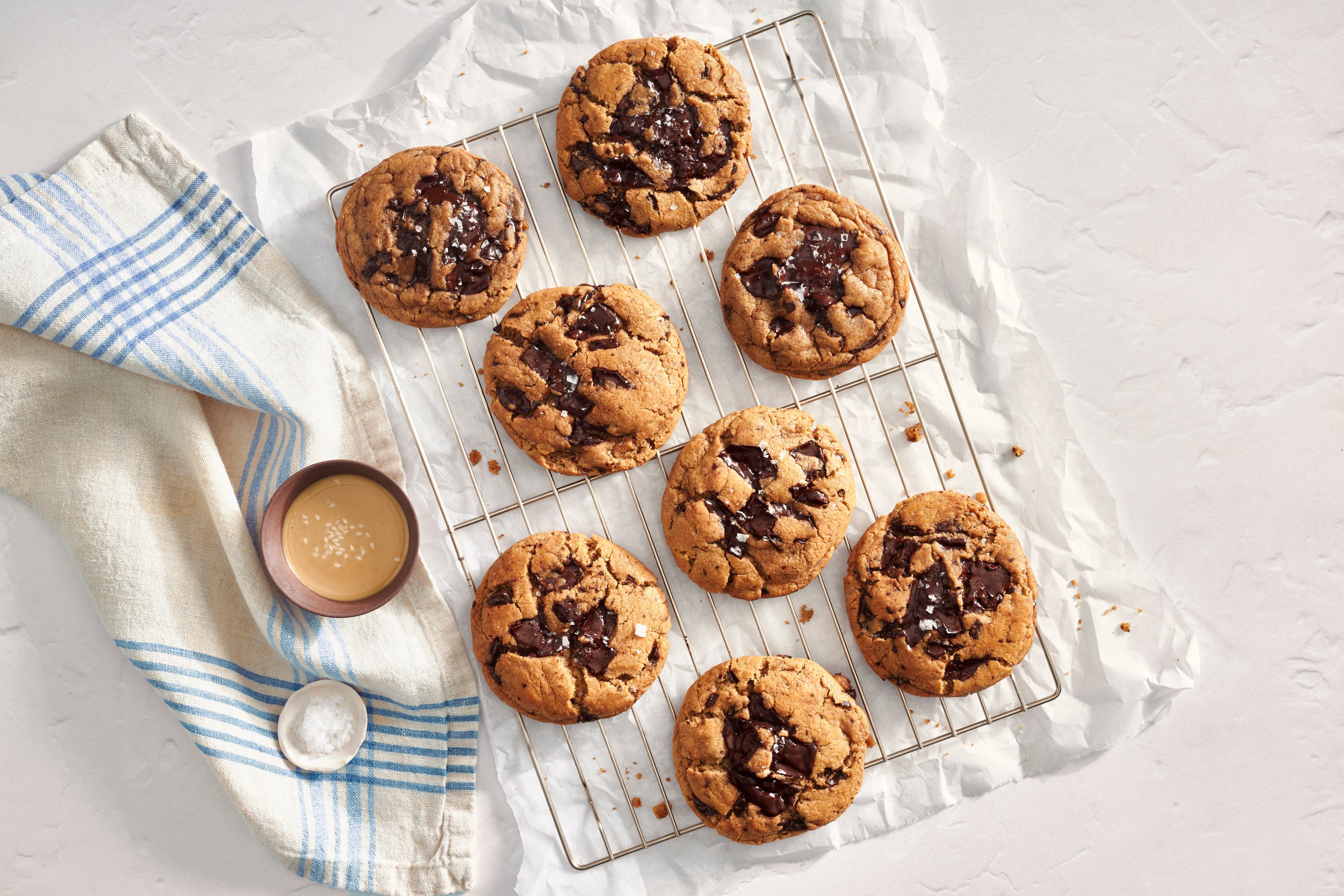
If your cookies spread too much, turn out dry, or rise and fall excessively, try one or more of the adjustments below.
At higher elevations, cakes may rise too quickly, overflow the pan, collapse before setting, develop tunnels or large holes, or become dry.

If your breads rise too quickly, sink in the center, seem dry, or taste bitter, try one or more of the modifications below.
Yeast doughs often rise faster at higher elevations because gases expand faster.
Pie crusts generally bake well at higher elevations and may not require any adjustments. If your dough seems dry or your bottom crust tends to bake up soft, try the following:
These tips should give you a great place to start if you’re far above sea level and are struggling to make recipes work as written.
Thankfully, most Bob's Red Mill baking mixes can be adapted for high-altitude baking with a few simple adjustments:
How much extra liquid should I add at high altitudes?
A common starting point is 1–2 tablespoons at 3,000 feet, plus 1½ teaspoons for every additional 1,000 feet of elevation.
Should I reduce baking powder and baking soda at high altitudes?
Often, yes. Reducing leaveners by ⅛ to ¼ teaspoon per teaspoon used can help prevent baked goods from over-rising and collapsing.
Do cookies need high-altitude adjustments?
Many cookie recipes work well without modifications. If cookies spread too much, try chilling the dough, increasing the flour slightly, or reducing the sugar.
Why did my cake sink in the middle at high altitudes?
A sunken cake is often caused by too much leavening, too much sugar, overmixing, or insufficient structure to support the rise.
Why does my bread dough rise so quickly at high altitudes?
Lower air pressure allows gases produced by yeast to expand more rapidly, causing dough to rise faster than it does at lower elevations. Watch the dough rather than the clock, and look for it to double in size before moving to the next step.


