
Knowing which gluten free flour to use for baking completely depends on what you’re making. Gluten Free 1-to-1 Baking Flour is a cup-for-cup swap for wheat flour, ideal for making your favorite non-yeast recipes gluten free. For yeasted breads, Gluten Free All Purpose Baking Flour is the one to reach for. And Gluten Free Oat Flour works well in recipes that benefit from its naturally sweet, nutty flavor. You can rest assured that our gluten free flours are processed in our dedicated gluten free facility and tested to meet strict gluten free standards.
Thanks to these and our wide variety of other gluten free flours, sharing your gluten free breads and sweet treats has never been easier. But they’re not all interchangeable. While some gluten free flours are incredibly versatile, what bakes up soft and chewy cookies may produce a dense cake. And not every gluten free flour is suited for creating lofty yeasted breads.
In this guide, we'll walk through the best gluten free flours for baking, explain when to use each one and share some of our favorite gluten free recipes to help you bake with confidence.
Understanding the role gluten plays in baking can be helpful when choosing the right gluten free flour for your baked goods.
Gluten is a protein found in certain grains like wheat, barley and rye. In flour, gluten is activated by adding water, then mixing and kneading. The gluten traps gas bubbles, acts as a binder and gives dough stretchy elasticity, providing breads, cookies and cakes with rise, structure and chewiness.
Because gluten plays so many vital roles in baking, it can be tricky to find a perfect replacement in every recipe. Without it, baked goods can turn out dense, crumbly, dry or gummy if the flour isn't designed for the type of baking you're doing.
That's why choosing the right gluten free flour is one of the most important steps to successful gluten free baking.
Gluten free flour options range from pre-mixed blends to single-ingredient flours. Gluten free baking blends can replace all-purpose flour in many recipes, while single-ingredient flours, whether used on their own or in blends, contribute their own unique qualities to baked goods. When shopping, look for products labeled gluten free that are tested to meet strict FDA gluten free standards of less than 20 ppm of gluten.
Gluten free flour blends combine several ingredients such as flours, starches and binders to provide structure, texture and moisture similar to all-purpose flour for a variety of baked goods. Some blends include ingredients like xanthan gum or guar gum to help create the elasticity and stability needed for cookies, cakes, muffins and other baked goods, while others leave out added binders so you can customize recipes that call for a specific amount.
Single-ingredient gluten free flours, made from gluten free grains, seeds, nuts and other ingredients, work a little differently. Rather than trying to replace wheat flour on their own, each contributes its own characteristics to a recipe. Some provide structure, others add softness, moisture or flavor, and many work best when paired with other gluten free flours or starches. Understanding how each one behaves makes it easier to choose the right flour for the type of baking you're doing.
At Bob's Red Mill, our gluten free flours are milled, mixed and packaged in our dedicated gluten free facility using equipment that is never exposed to gluten-containing products. We also batch test gluten free products in our quality control laboratory using an ELISA Gluten Assay test to help ensure they meet strict gluten free standards.
Here's a closer look at four of our most popular gluten free baking blends and flours and what they're best suited for.
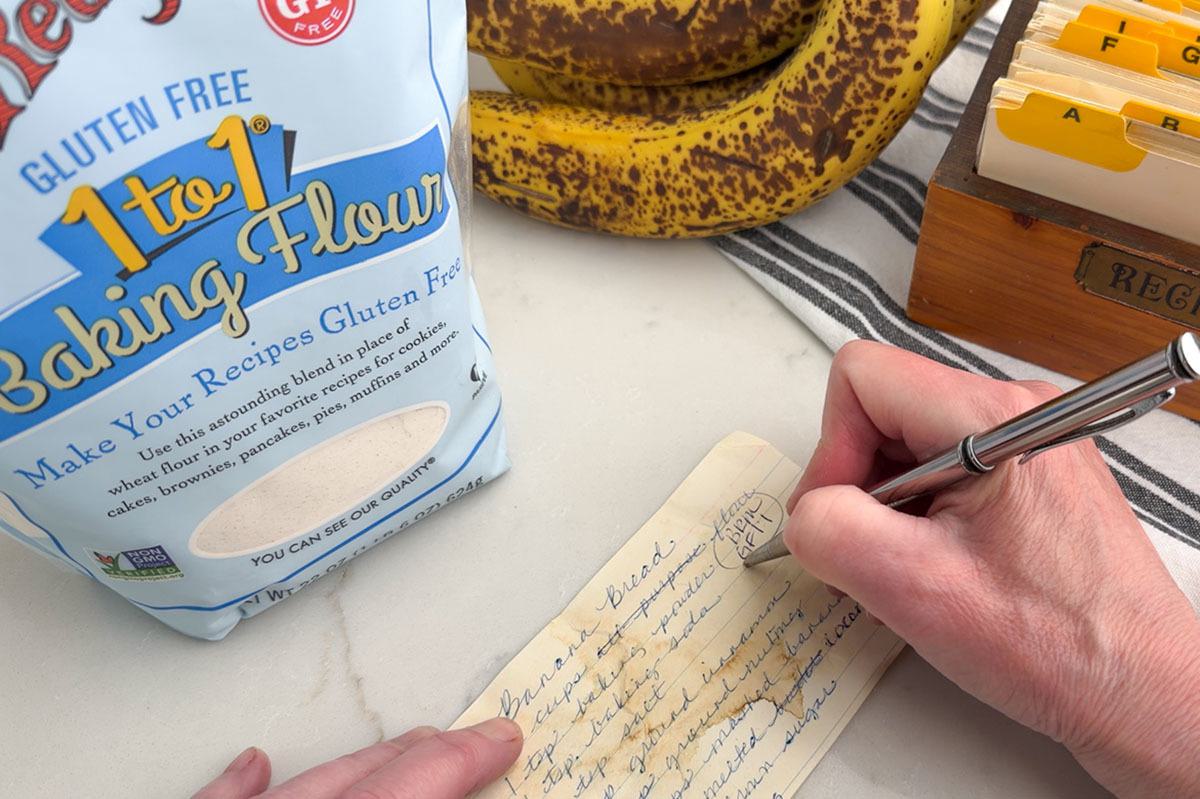
Gluten Free 1-to-1 Baking Flour is the easiest choice for everyday gluten free baking, from birthday cakes to chocolate chip cookies. Specially formulated as a cup-for-cup replacement for wheat flour, it takes the guesswork out of converting your favorite recipes. The blend of white rice flour, brown rice flour, potato starch, sorghum flour, tapioca flour and xanthan gum creates reliable results in a variety of baked goods.
Gluten Free All Purpose Baking Flour is a versatile blend that can replace all-purpose flour in a wide variety of recipes. Because it doesn't contain xanthan gum or guar gum, you'll add the binder called for in the recipe or follow our guide on the package. It's an excellent choice for yeast breads and other recipes that benefit from added structure.
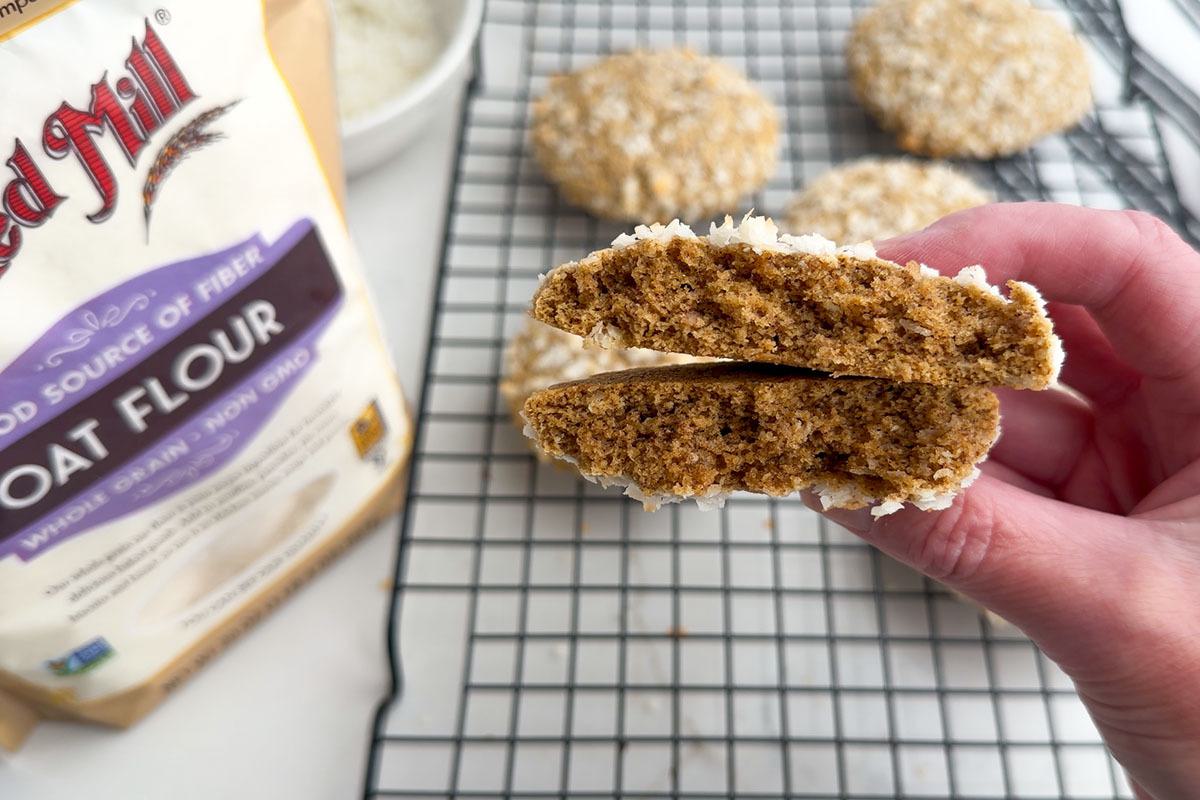
Gluten Free Oat Flour adds a naturally sweet, wholesome oat flavor to baked goods. Finely ground for a soft texture, it's perfect for replacing up to 20% of the wheat flour in many baking recipes.
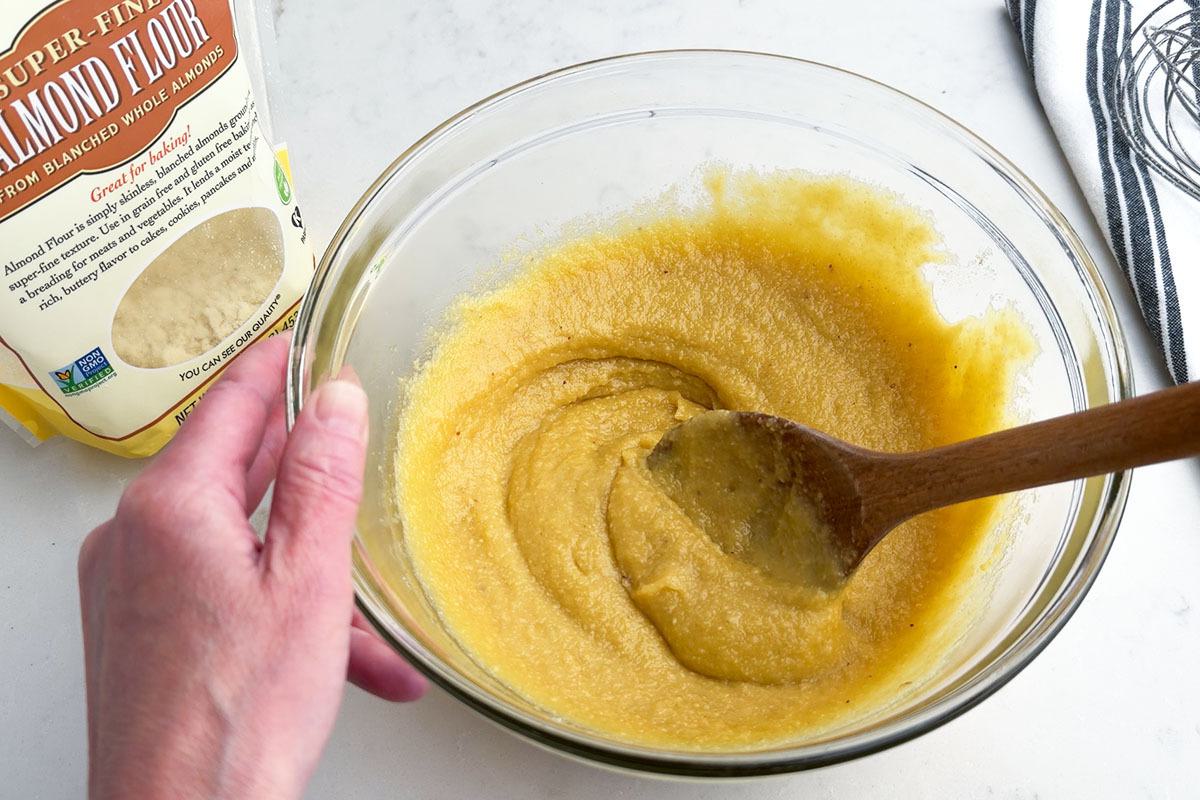
Almond Flour brings rich, nutty flavor and a soft, tender crumb to baked goods. Made from finely ground blanched almonds, it's a favorite for grain-free baking and works beautifully in pancakes, cookies, coffee cake and muffins. Use it in recipes developed specifically for almond flour, or replace up to 25% of the all-purpose flour in traditional recipes. Depending on the recipe, additional binders like eggs or xanthan gum may be needed.
What is the best gluten free flour for cookies?
Gluten Free 1-to-1 Baking Flour is the best choice for most cookie recipes because it's formulated as a cup-for-cup replacement for all-purpose flour. You can also try replacing a portion of the flour with Gluten Free Oat Flour or Almond Flour, or use a recipe developed specifically for those flours.
What is the best gluten free flour for bread?
For yeast breads, Gluten Free All Purpose Baking Flour is the best choice because it doesn't contain xanthan gum, allowing you to add the binder called for in the recipe. For sandwich breads and other everyday loaves, always follow a recipe developed for gluten free baking.
Can I substitute gluten free flour for all-purpose flour?
Yes, but the right flour depends on the recipe. Gluten Free 1-to-1 Baking Flour is designed for direct cup-for-cup substitutions in many cookies, cakes, muffins and quick breads. Other gluten free flours, like Gluten Free Oat Flour and Almond Flour, work best in recipes developed for those flours or when replacing only a portion of the all-purpose flour.
Can I substitute oat flour for all purpose flour?
In many recipes, Gluten Free Oat Flour can replace up to 20% of the all-purpose flour to add a naturally sweet oat flavor and tender texture. It's generally not intended as a direct cup-for-cup replacement unless the recipe is specifically developed for oat flour.
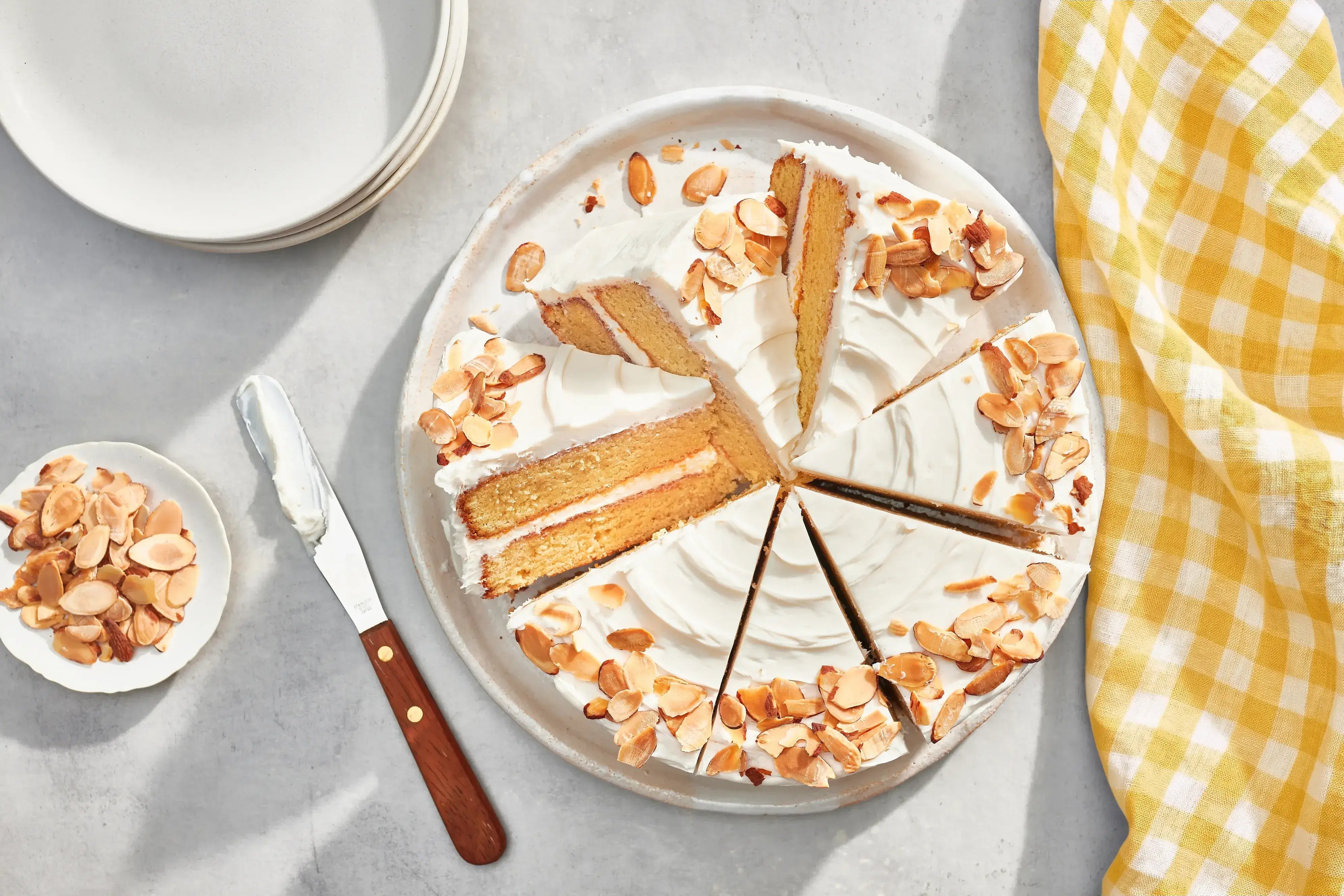
For even more gluten free baking inspiration, browse our complete collection of gluten free desserts, cookies, cakes and sweet treats.
Finding the best gluten free flour for baking doesn’t have to be complicated. Once you understand how different flour blends and specialty flours work, it’s easy to choose the right one for every recipe. From everyday cookies and muffins to homemade bread and special occasion desserts, Bob's Red Mill gluten free flours make it simple to create baked goods everyone will love.


