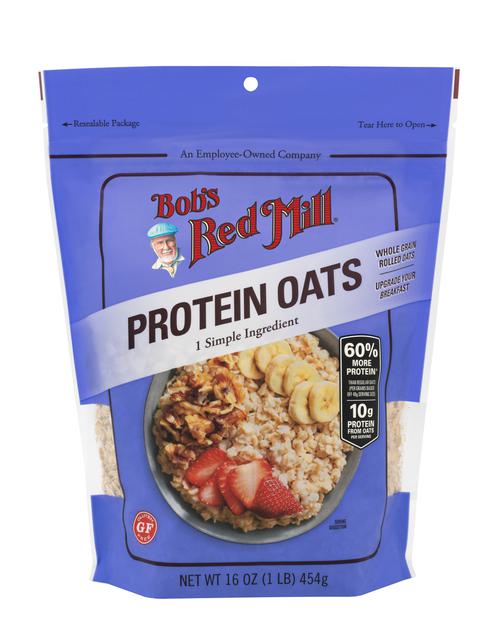
Oats and oatmeal are naturally gluten free, but can become cross-contaminated before they reach your kitchen. So anyone living a gluten free lifestyle should look for oats labeled “gluten free,” such as Bob's Red Mill Gluten Free Oats, which are produced in a dedicated gluten free facility and tested to ensure they contain less than 20 parts per million of gluten.
Even though oats are inherently gluten free, cross-contact can happen at several stops on their way to your morning bowl of oatmeal. Here’s a quick look at the journey oats typically make—from growth and transportation to processing—and why they’re not all suitable for a gluten free diet.
Even before oats leave the farm, they can come into contact with gluten-containing grains. Oats are often grown in fields that previously held wheat, barley or rye, and leftover seeds can sprout alongside the new crop. Wind can also carry seeds from neighboring fields, and shared planting and harvesting equipment may transfer small amounts of grain from one crop to another.
The trip to the mill can also introduce opportunities for cross-contact. If trucks, trailers or other transport containers previously carried wheat, barley or rye and weren't thoroughly cleaned, trace amounts of those grains can mix with the oats.
Finally, milling and packaging offer two more opportunities for cross-contact. Conventional oats are often processed on equipment that also handles wheat, barley or rye. This shared equipment can transfer trace amounts of gluten-containing grains to the oats.
Because conventional oats aren't produced under gluten free protocols or verified to meet gluten free standards, they shouldn't be assumed to be safe for people with celiac disease or others who must avoid gluten.

The biggest difference between regular oats and certified gluten free oats is the systems in place to prevent gluten cross-contact and the testing used to verify they meet gluten free standards.
Unlike conventional oats, gluten free oats are sourced through controlled programs and handled under strict protocols to minimize contact with wheat, barley and rye, from farm to finished product.
Additionally, gluten free oats are routinely tested to verify they meet the FDA gluten free standard of less than 20 parts per million before they are sold. Some gluten free oats are also certified by organizations like the Gluten-Free Certification Organization, which requires ongoing compliance with its certification standards.
Here’s a closer look at Bob’s Red Mill’s dedicated gluten free facility and the steps we take to produce our gluten free oats and other products.
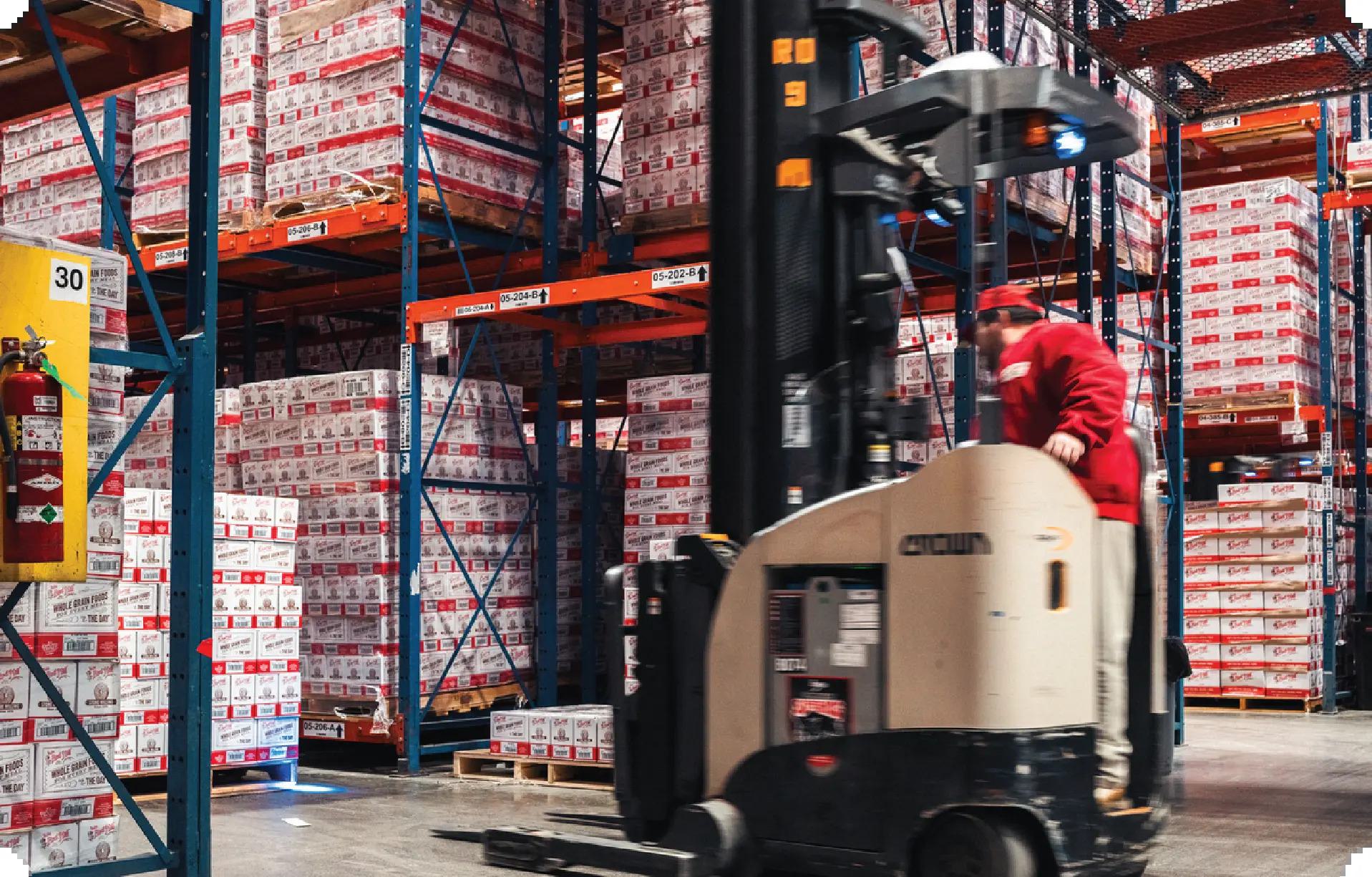
Bob’s Red Mill Gluten Free Oats are handled completely differently from regular oats, right from the start. We work with oat suppliers who use a variety of methods, including crop rotation management plans and optical sorting technology, to help reduce the risk of gluten-containing grains entering the oat supply.
Then we thoroughly test and process the oats in our dedicated 58,200 square foot gluten free facility, where only gluten free products are milled, mixed and packaged.
We begin by testing every incoming delivery using the enzyme-linked immunosorbent assay (ELISA) test to verify it contains less than 20 ppm of gluten. Only products that test below this threshold are accepted into our gluten free facility.
We continue our testing during and after processing, each time holding the products until results are confirmed.
Bob's Red Mill products displaying the red GF logo are tested and confirmed gluten free according to our strict gluten free protocols. Select products displaying the GFCO logo have also been certified gluten free by the Gluten-Free Certification Organization, a branch of the Gluten Intolerance Group.
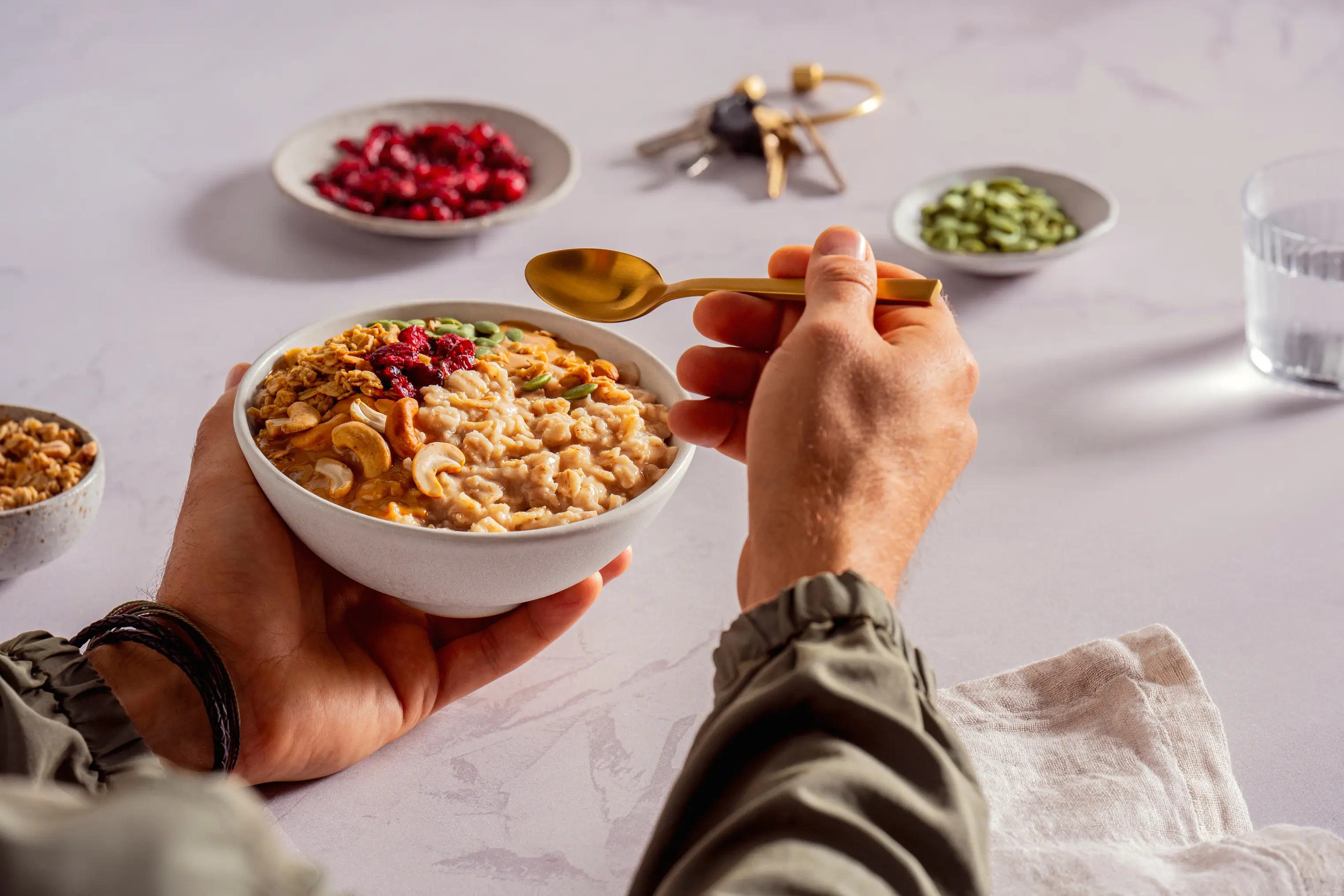
Oatmeal can be gluten free, but it depends on both the oats you use and the ingredients you add. If you're making oatmeal with gluten free oats and gluten free ingredients, the finished dish can be gluten free. However, oatmeal made with conventional oats may contain gluten due to cross-contact with wheat, barley or rye.
Even if you start with certified gluten free oats, some common oatmeal toppings and mix-ins may contain gluten. Ingredients to watch for include:
If you're preparing oatmeal for someone with celiac disease or another condition requiring a gluten free diet, be sure to check ingredient labels and choose products specifically labeled gluten free.
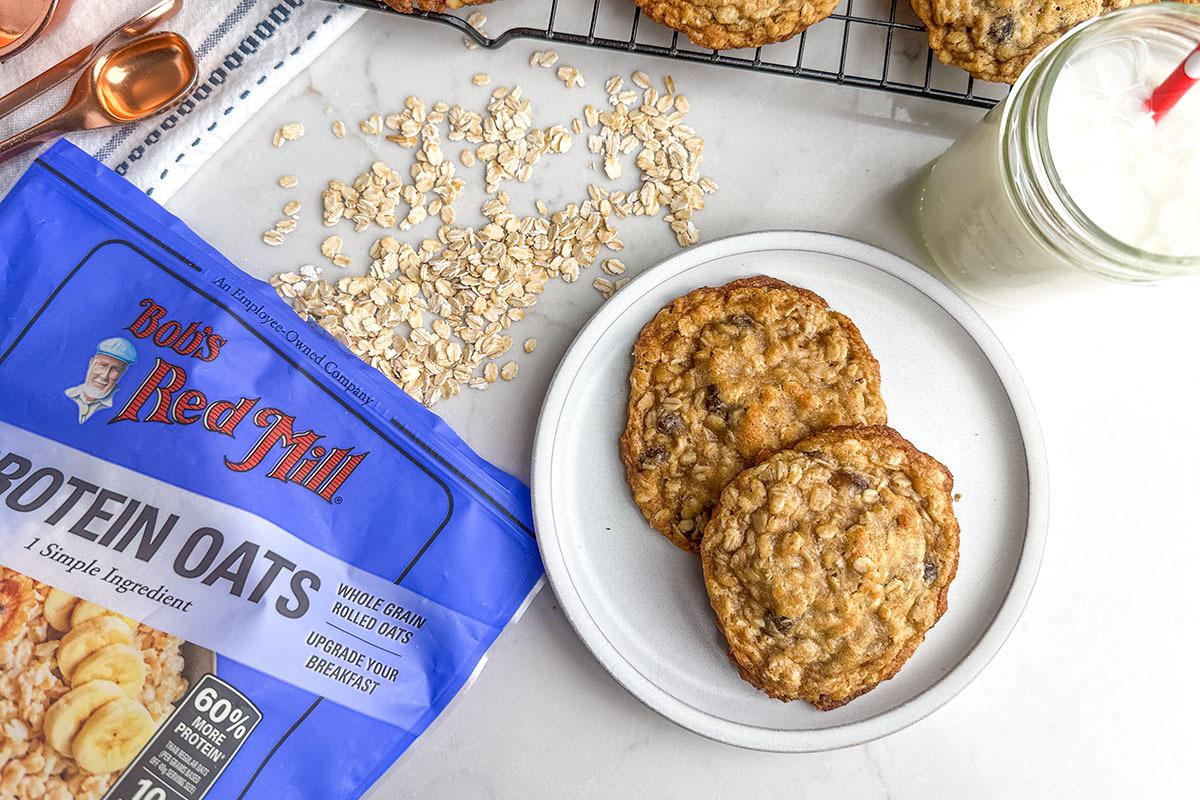
Choosing the best type of gluten free oats depends on how you plan to use them. Bob's Red Mill offers a variety of gluten free oat products, so it's easy to find one that fits your cooking style and favorite recipes.
No matter which variety you choose, gluten free oats cook and bake just like conventional oats, so you can enjoy your favorite oat recipes with confidence.

Cooking with gluten free oatmeal is the same as preparing regular oats. You can make them on the stovetop, in the microwave, in overnight oats—even in a slow cooker or multi-cooker!
So go ahead and enjoy any of our delicious oat recipes, swapping out regular oats for gluten free oats!
Or take a look at more gluten free oatmeal recipes like fluffy Oatmeal Pancakes, this creamy Oatmeal Cookie Smoothie and soft Oatmeal Raisin Cookies.
Are quick oats gluten free?
Quick oats are similar to old fashioned rolled oats, just rolled thinner so they cook more quickly. Whether they're gluten free depends on whether they're produced under gluten free protocols and tested to meet gluten free standards. Choose quick oats labeled gluten free if you need to avoid gluten.
What are "certified gluten free" oats?
Products labeled gluten free must contain less than 20 parts per million (ppm) of gluten, the FDA standard used for foods intended for people who need to avoid gluten, including those with celiac disease.
Can you eat oatmeal on a gluten free diet?
Yes, as long as it's made with oats labeled gluten free and other gluten free ingredients. While oats are the foundation of oatmeal, mix-ins such as protein powders, granola, cookie crumbles and some flavored yogurts may also contain gluten. Check ingredient labels to make sure each ingredient is gluten free.
Can people with celiac disease eat oats?
Many people with celiac disease choose oats labeled gluten free because they're produced and tested to meet the FDA gluten free standard. If you have celiac disease, talk with your healthcare provider about whether oats are appropriate for your diet.
What are some gluten free oatmeal brands?
Look for oatmeal products labeled gluten free. Bob's Red Mill offers many types of gluten free oats like old fashioned rolled oats, quick oats, steel cut oats, protein oats, extra thick rolled oats, instant oatmeal packets and oatmeal cups that are produced in a dedicated gluten free facility.
It certainly can be. By choosing oats labeled gluten free and pairing them with gluten free ingredients, you can enjoy all the comfort, versatility and wholesome goodness of oatmeal, for breakfast, baking and beyond.